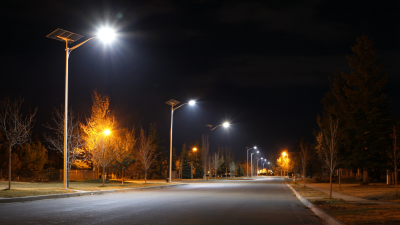
Best Solar Street Lights with Pole for Global Buyers?
As urbanization accelerates globally, the need for efficient street lighting has become paramount. Solar street lights with pole are gaining traction as a sustainable solution. According to a report by Markets and Markets, the global solar street lighting market is expected to reach USD 11.3 billion by 2026, growing at a CAGR of 19.5%. This highlights the increasing adoption of renewable energy solutions.
Solar street lights with pole not only contribute to energy savings but also enhance safety. They are equipped with LED technology, which consumes less power and has a longer lifespan compared to traditional lighting. However, choosing the right model can be challenging. Factors like installation, durability, and cost must be carefully considered. There is often confusion regarding the best features to prioritize, leading to an inconsistent experience for buyers.
Investing in solar street lights with pole can lead to significant long-term benefits. Still, potential buyers must understand their specific needs and local regulations. This awareness can prevent poor investment choices that could impact community safety and environmental goals. Thus, informed purchasing decisions are essential to align with sustainability objectives.
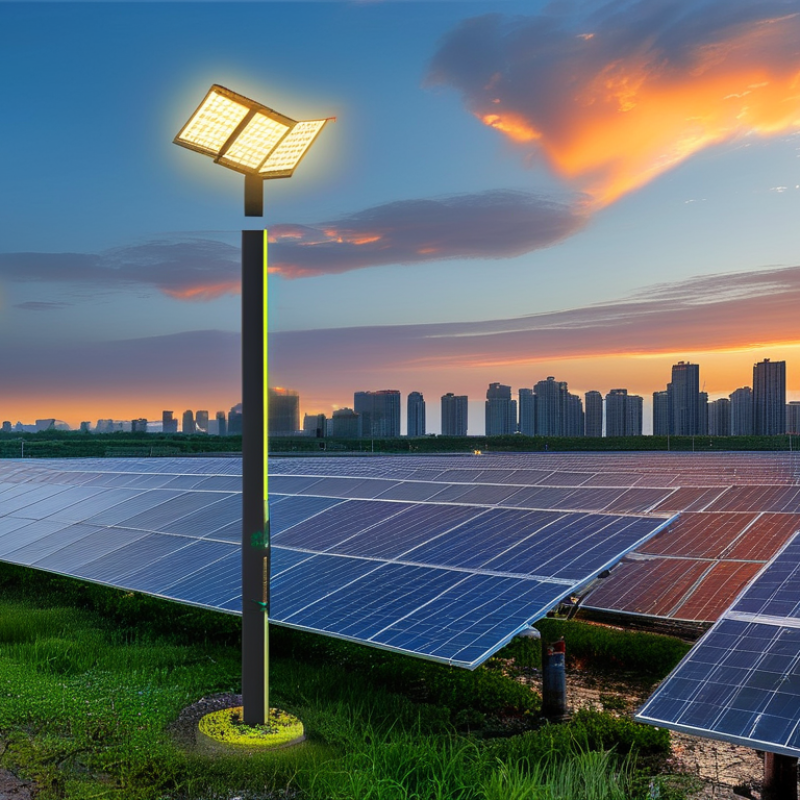
Overview of Solar Street Lights and Their Benefits
Solar street lights have become a significant solution for urban illumination. They harness solar energy to power LED lights, offering a sustainable alternative to traditional lighting. These lights reduce energy costs and carbon footprints. Installation is simple, eliminating the need for extensive wiring. Each unit operates independently, allowing flexibility in placement. This independence can enhance public safety by ensuring light even in remote areas.
Along with energy savings, solar street lights provide reliable illumination. At night, they automatically light up, enhancing visibility. The use of durable materials ensures that these lights withstand various weather conditions. Despite their advantages, some users report issues with battery lifespan and performance during cloudy days. It's essential to weigh these factors when considering solar options. Understanding the local environment is critical for maximizing their efficacy.
Best Solar Street Lights with Pole for Global Buyers
| Model |
Power (W) |
Battery Capacity (Ah) |
Light Source |
Charging Time (Hours) |
Operating Time (Hours) |
Height of Pole (m) |
Cost (USD) |
| Model A |
40 |
20 |
LED |
6 |
12 |
6 |
150 |
| Model B |
60 |
30 |
LED |
8 |
14 |
8 |
200 |
| Model C |
80 |
40 |
LED |
10 |
16 |
10 |
250 |
| Model D |
100 |
50 |
LED |
12 |
20 |
12 |
300 |
| Model E |
120 |
60 |
LED |
10 |
24 |
14 |
350 |
Key Features to Consider When Choosing Solar Street Lights
When selecting solar street lights, several key features play a crucial role. Efficiency is paramount. Look for lights with high lumen output per watt. Recent data indicates that advanced solar panels can achieve an efficiency rate of over 20%. This means more light for less energy. Additionally, battery capacity is vital. A well-designed solar street light should provide adequate illumination during cloudy days or at night.
Durability and weather resistance are also essential. The best solar street lights are made from robust materials, capable of withstanding extreme weather. Reports show that lights with an IP65 rating are suitable for various environments, ensuring they remain functional despite rain or snow. A focus on longevity is critical, as the average lifespan of high-quality LED fixtures can exceed 50,000 hours.
Think about ease of installation and maintenance. Some lights come with user-friendly setups, allowing for quick deployment. This is especially important for remote locations. Check if the solar lights have adjustable mounting heights to cater to varying area requirements. Also, consider incorporating smart technology. The market is seeing a rise in solar lights with motion sensors, optimizing energy use while enhancing safety. Reflect on the overall design and functionality as these contribute significantly to user satisfaction.
Top Solar Street Light Brands for Global Buyers
The demand for solar street lights has surged globally. As cities strive for sustainability, these lights offer a green alternative to traditional lighting. According to the Solar Energy Industries Association, the market for solar street lighting is expected to grow at a compound annual growth rate of over 20% in the next five years.
Multiple brands have emerged as leaders in this field. Many focus on high-efficiency solar panels and long-lasting batteries. Research indicates that the average lifespan of a quality solar street light can exceed 50,000 hours. However, it’s essential to choose products with proven reliability. Some companies have faced challenges regarding their installation and maintenance processes. It’s a reminder that not all products live up to the marketing claims.
The integration of smart technology is a growing trend. Some solar street lights come equipped with motion sensors and LED lights. This technology optimizes energy consumption and enhances safety. However, potential buyers should inquire about compatibility and support in installation. It’s necessary to address these issues to fully benefit from these innovations.
Comparative Review of Leading Solar Street Lights with Poles
Choosing the right solar street lights with poles requires careful consideration. Many options are available that cater to different needs. A high lumen output is crucial for ensuring adequate brightness during the night. Some models may boast impressive specifications, but real-world performance can vary based on local weather conditions.
When evaluating these solar lights, look for features like adjustable brightness and durations. A flexible design allows you to customize the output based on the area being illuminated. Moreover, battery capacity is important. A small battery may not withstand extended cloudy days; ensure the lights can last through several nights without charging.
Installation can present its own challenges. Some products come with complex setups, which may require professional help. Opt for models that offer user-friendly instructions for easier self-installation. Assessing the materials used can provide insight into the long-term durability of the lights. Cheaper materials may lead to issues over time, reflecting the importance of quality in the decision-making process. Consider local regulations on light pollution as well, to ensure your installation complies with community standards.
Best Solar Street Lights Comparison
Installation and Maintenance Tips for Solar Street Lights
Installation and maintenance of solar street lights are critical for ensuring long-lasting performance. Before installation, assess the location for optimal sunlight exposure. Ideally, lights should be placed where they receive direct sunlight for most of the day. This helps maximize the efficiency of the solar panels. Avoid areas with heavy shade from trees or buildings that can hinder sunlight access.
Regular maintenance is necessary, but it may not be as demanding as traditional street lights. Clean the solar panels periodically to remove dirt and debris. This simple action enhances solar absorption. Inspect the battery and wiring systems bi-annually. Look for any signs of wear or corrosion that could lead to performance issues.
Some users might find that quickly fixing minor issues is easier than anticipated. Changing a battery or tightening loose connections is relatively straightforward. Remember, addressing these problems early can prevent larger issues down the line. It’s important not to ignore your system, even if everything appears to be functioning well. Thus, conducting routine checks can help maintain the reliability of your solar street lights.