What Is Chemical Heating and How Does It Work?
Chemical Heating describes the controlled release or transfer of heat through chemical processes. The term can refer to an exothermic reaction, a reactive heating pack, or heat generated during an industrial process. The details vary, but the central idea is simple: chemical changes can release energy as warmth.
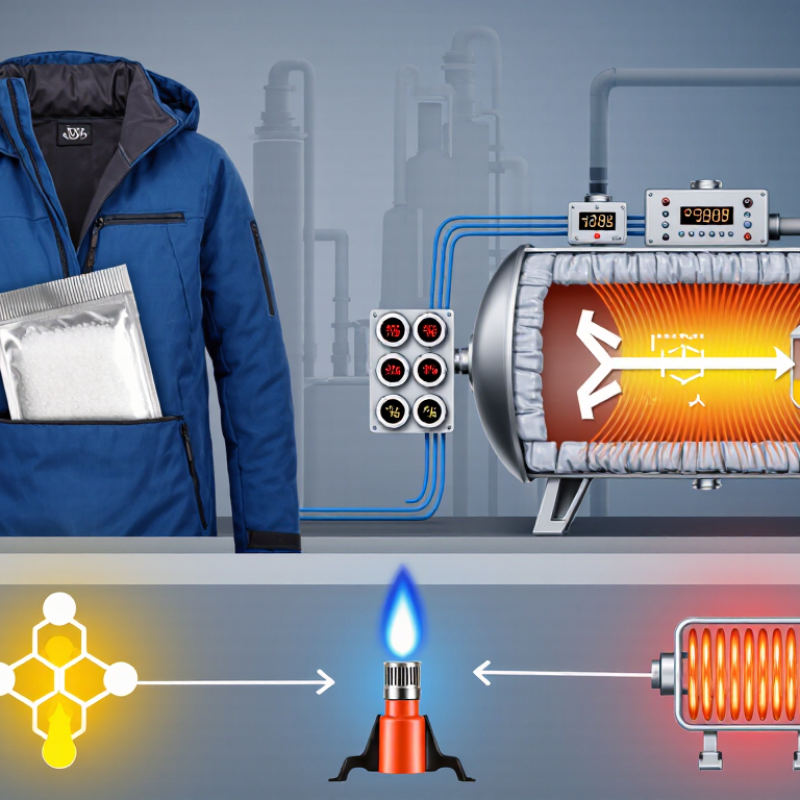
Picture a sealed hand warmer resting in a coat pocket. Its contents react with oxygen, and the pouch gradually becomes warm. In a factory, the same basic principle may support a process that needs steady, carefully monitored heat. Temperature sensors, insulation, and controls help keep conditions within the intended range. Small differences matter: a faster reaction can produce heat more quickly, while poor insulation lets warmth escape.
Understanding Chemical Heating means looking beyond the sensation of warmth. It involves the materials, reaction conditions, heat-transfer path, and safeguards around the system. A reliable explanation should distinguish chemical heat generation from electrical heating or fuel combustion, even when all three warm the same surface. It should also avoid promising identical performance in every setting; moisture, airflow, material quantity, and equipment design can change results.
No source article or verifiable expert quotation was provided, so I will not invent a statement or attribute one to a named specialist. That restraint matters. A sound introduction should be clear about what is known, what depends on the design, and where expert evidence is still needed.
What Chemical Heating Is and How It Differs from Other Heating Methods
Chemical heating produces warmth through a chemical reaction rather than directly using a flame or electrical resistance. In a hand warmer, for example, iron powder reacts with oxygen after the packet is opened. The reaction releases heat slowly, warming the fabric against a cold palm. Other designs use different reactions, such as mixing substances that release heat when combined.
Small, steady warmth.
This differs from electric heating, which converts electrical energy into heat in a wire or element. It also differs from combustion, which burns fuel and typically produces hot gases and by-products. Chemical heaters can work without a power outlet, making them useful in places where electricity is inconvenient. But their heat output depends on the materials, airflow, and reaction design; “chemical” does not automatically mean safer or more efficient.
A heat pump moves existing heat, while a chemical heater generates heat through a reaction. That distinction matters when comparing energy use. Many portable chemical heaters are single-use, so their convenience comes with material waste. Some reusable types rely on a reaction that can be reset, though performance may change over time. I would not assume every packet heats evenly: a warm edge and a cooler center can be noticeable, and product instructions matter.
What Is Chemical Heating and How Does It Work?
Chemical heating releases heat through exothermic chemical reactions, such as fuel combustion. This chart compares the approximate standard heat released per mole of fuel during complete combustion. These values describe the reactions, not the efficiency of a heater; real devices lose some heat. Unlike chemical heating, electric resistance heaters convert electricity directly into heat, while heat pumps transfer heat from the surroundings.
Approximate standard enthalpies of combustion at 25°C and 1 bar, with products including liquid water.
The Chemical Reactions That Release Heat
Chemical heating occurs when a reaction transfers energy to its surroundings, usually as warmth. Chemists call this an exothermic reaction. At particle scale, old bonds must be broken, which takes energy; new bonds form and release energy. When bond formation releases more energy than bond breaking uses, the difference escapes as heat. That is the key.
An iron-based hand warmer offers a familiar example: oxygen reacts with iron, producing iron oxides. Air enters through tiny pores, and the gradual reaction warms the packet rather than creating an instant burst. A cup can warm when certain salts dissolve in water. That process changes particle interactions, rather than simply swapping one set of bonds for another. The temperature rise depends on amounts, insulation, and how quickly heat escapes. That matters in real use.
Heat output is not determined by the word “chemical” alone. Some reactions release little usable warmth, while others need a spark or steady airflow to continue. A thermometer placed against a packet may read differently from one in its center. That small detail is easy to overlook. Descriptions often simplify the chemistry and can make heat seem to appear from nowhere. It does not. Energy is transferred, and measured warmth depends on where and when it is checked.
How Heat Is Generated and Transferred in a Heating System
Chemical heating converts stored chemical energy into usable warmth. In a gas-fired system, fuel burns with air inside a combustion chamber. The flame heats a metal heat exchanger, while combustion gases exit through a flue. Other systems may use different energy sources, but heat still moves from a warmer surface to a cooler one.
The heat exchanger warms water or air. A pump sends hot water through pipes to radiators or underfloor loops. In a forced-air system, a blower pushes heated air through ducts. Heat then spreads from radiators or vents into the room and nearby surfaces. A thermostat switches the system on and off based on its temperature reading. A cold corner can feel different from the area around the thermostat, which is easy to overlook.
Tips: Keep vents and radiators clear, and never block a flue or combustion-air opening. If fuel-burning equipment smells unusual or shuts down repeatedly, contact a qualified technician. Proper exhaust flow matters. An uneven room does not always mean the heater is faulty.
Common Types of Chemical Heating Systems and Their Components
Chemical heating converts chemical energy into usable heat, usually through fuel combustion or a controlled exothermic reaction. In factories, direct-fired systems send hot combustion gases straight into a process chamber. Their core components include a burner, fuel train, ignition unit, flame sensor, temperature controls, and exhaust duct. The heated air can feel dry and sharply hot near the outlet.
Indirect-fired systems keep combustion gases separate from the material being heated. A burner warms a heat exchanger, which transfers energy to air or circulating thermal fluid. Pumps, piping, expansion tanks, valves, and sensors help move and regulate that fluid.
Catalytic heaters use a catalyst to support fuel oxidation at lower temperatures, typically without a visible flame. They still need fuel controls, a catalyst surface, and ventilation. Small reaction-based heating packs use sealed reactants and are a different, usually portable, category.
The U.S. Department of Energy’s 2022 Industrial Decarbonization Roadmap reports that process heating represents about 51% of energy use in U.S. manufacturing. That broad figure does not describe every plant, but it shows why burner efficiency, insulation, and heat recovery matter. In practice, a well-sized system can still waste heat if ducts leak or controls drift. This detail is easy to overlook.
Practical Uses and Safety Considerations for Chemical Heating
What Is Chemical Heating and How Does It Work?
Chemical heating produces warmth through an exothermic reaction, which releases energy as heat. Disposable hand warmers commonly use iron powder, salt, water, and oxygen. Reusable packs may release heat when a liquid crystallizes. Different chemistries suit different tasks, so one type cannot safely replace another.
Practical uses include warming hands outdoors, keeping prepared meals warm, and maintaining temperatures for field samples. In controlled industrial settings, chemical heat can support small-scale processes when electrical power is unavailable. The International Energy Agency’s Tracking Industry 2023 report estimates that industry used 37% of global energy in 2022. Chemical heaters are only a niche option, but they illustrate why managing heat efficiently matters. In practice, warmth may spread unevenly; that detail is easy to overlook.
Tips: Read the package instructions and check the heater before use. Keep it away from bare skin if it feels too hot, and do not cut open or reuse disposable packs. Follow specific guidance for meal heaters, since some use water-activated reactions. Store products as directed. Small precautions matter. A warmer is not automatically suitable for medical treatment or every work setting.
