Why Choose Solar Post Lights Outdoor for Your Project?
Why Choose Solar Post Lights Outdoor for Your Project?
Solar post lights outdoor can transform a dark entrance, garden path, or driveway into a safer, more welcoming space. They collect sunlight during the day and switch on automatically at dusk. No trenching is required. No monthly electricity bill is added. Energy pioneer Thomas Edison once said, “I’d put my money on the sun and solar energy.” His words still support a practical design question: can sunlight serve this specific site reliably?
The answer depends on more than appearance. A post light needs direct sunlight, a suitable battery, and enough brightness for its purpose. Place the panel beneath dense branches, and performance may drop sharply. Winter clouds can also shorten nighttime illumination. That limitation matters. A beautiful fixture cannot compensate for poor placement.
Good planning starts with the project’s real conditions. Measure the post height, walkway width, and evening traffic. Check whether nearby walls cast shadows after noon. Choose weather-resistant housings for exposed gardens and coastal areas. Look for replaceable batteries, clear lumen information, and dependable dusk-to-dawn sensors. These details reveal whether a product is designed for lasting outdoor use.
The choice is not flawless.
Still, solar post lights outdoor can reduce installation work and support lower-energy landscape designs. They suit homeowners, hospitality spaces, and commercial pathways when expectations remain realistic. This guide examines appearance, performance, maintenance, placement, and long-term value. It also questions common marketing claims, because “maintenance-free” rarely means completely maintenance-free. Cleaning the panel and replacing the battery may still be necessary.
What Are Solar Post Lights Outdoor?
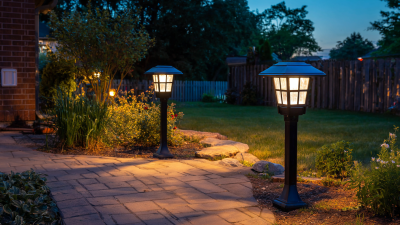
Outdoor solar post lights are standalone fixtures for fence posts, deck columns, driveway pillars, and garden posts. Each unit normally combines a small photovoltaic panel, rechargeable battery, LED module, controller, and weather-resistant housing. During daylight, the panel converts sunlight into electricity and stores it in the battery. At dusk, a light sensor activates the LEDs automatically. No trenching is required. That makes them useful where wiring is expensive, disruptive, or unavailable.
For a project, their appeal goes beyond simple installation. They can mark a driveway, improve stair visibility, and add a gentle architectural glow. Choose placement carefully. A panel shaded by roof eaves may collect too little energy, especially in winter.
Look for a suitable ingress protection rating, secure mounting hardware, and a battery designed for outdoor temperature changes. Warm-white LEDs often feel more comfortable near living spaces, while neutral light may define paths more clearly.
A practical installation lesson is that post height and panel direction affect performance as much as brightness. An attractive fixture can still perform weakly when poorly aligned.
Solar post lights are not maintenance-free. Dust, leaves, and snow can reduce charging, so wipe the panel periodically and check drainage. Battery life also declines over time. Cloudy weeks may shorten nightly runtime, and some fixtures will dim before morning.
That limitation deserves honest planning. Use them for guidance and atmosphere, not as the only lighting for critical steps. Check local electrical and building requirements near shared access areas.
Critical steps need dedicated lighting.
What Benefits Do Solar Post Lights Outdoor Offer?
Solar post lights outdoor offer practical illumination without trenching, wiring, or monthly electricity use. Their photovoltaic panels charge internal batteries during daylight, then power LEDs after sunset. The U.S. Department of Energy reports that LEDs use at least 75% less energy and last up to 25 times longer than incandescent lighting. That difference matters along driveways, garden paths, and entrance posts where maintenance access may be difficult.
Placement decides performance. A post receiving six hours of direct sunlight can usually recharge more reliably than one shaded by trees or a building. The International Energy Agency Photovoltaic Power Systems Programme recorded more than 1.6 terawatts of global solar capacity by the end of 2023, showing how established solar generation has become. Still, small outdoor fixtures face harsher conditions. Cloudy weather, dust, freezing temperatures, and weak winter sunlight can reduce nighttime runtime. That is the catch.
Choose fixtures with weather-resistant housings, replaceable batteries, and suitable light output for the space. A warm, moderate beam often feels safer and less glaring than an overly bright white light. Check the mounting height, panel angle, and drainage before installation. In real projects, the cheapest unit is not always the economical choice. Battery replacement and inconsistent charging may quietly increase long-term costs. Performance also depends on local climate, so test one fixture through several nights before purchasing for the entire project.
Where Can Solar Post Lights Outdoor Be Used?
Solar post lights outdoor work well in areas where trenching cables is expensive or disruptive. They can illuminate driveway entrances, garden paths, patios, and front gates. A post light near the walkway helps visitors see edges, steps, and uneven paving after sunset. It also gives a property a clearer visual boundary without creating harsh glare.
These lights suit fences, deck corners, parking areas, and rural access roads. Use them beside mailboxes or shared paths when nearby buildings cannot provide reliable lighting. For hospitality projects, they can mark outdoor seating zones and improve movement between buildings. Place each unit where its panel receives direct sunlight for several hours daily. Shade from trees, walls, or rooflines may reduce charging performance. Winter conditions can be difficult.
Reliable installation requires more than choosing an attractive fixture. Check the post height, soil stability, drainage, and local electrical or planning requirements. Keep light away from drivers’ eye level when possible. Warm illumination usually feels more comfortable near homes, while brighter light may help along service routes. Motion sensors can reduce wasted energy in low-traffic areas, but their settings need testing. I have found that placement is rarely perfect on the first attempt. A nearby tree may cast longer shadows than expected. Small adjustments can improve nighttime coverage considerably. The result may still show dark patches, especially during cloudy weeks, so critical access points should not depend on solar lighting alone.
How to Choose Solar Post Lights Outdoor for Your Project?
Why Choose Solar Post Lights Outdoor for Your Project?
How to Choose Solar Post Lights Outdoor for Your Project?
Start by measuring the post, walkway, and available sunlight. A light that looks attractive may still be too large. Check the fixture diameter and mounting base carefully. Observe the location for one full day. Nearby walls, trees, and roof edges can reduce charging time. South-facing exposure often helps, but local sunlight patterns matter more than general advice. Choose a warm color temperature for entrances and gardens. Cooler light may suit paths, but it can appear harsh.
Review the technical details before buying. Compare lumen output, battery capacity, charging time, and expected nighttime runtime. Look for an outdoor protection rating suitable for rain and dust. Aluminum, treated steel, and durable polymer can perform differently in coastal or freezing areas. Confirm that replacement batteries are available. This detail is easy to miss. Follow the installation instructions and check local electrical or property requirements, even with low-voltage solar products.
I once focused on brightness and ignored winter shade. The lights looked fine in summer, then faded early by late afternoon. That mistake changed my selection process. I now prioritize sunlight, battery performance, and access for maintenance. A removable top makes cleaning simpler. Keep the panel free from leaves and bird residue. Avoid placing lights where irrigation constantly sprays them. Test one unit for several nights before installing the entire row. Small differences become obvious after sunset.
Why Choose Solar Post Lights Outdoor for Your Project?
Typical lumen targets help match solar post lights with common outdoor applications while balancing visibility, energy use, and installation needs.
Pathways generally need lower light output, while driveways, entrances, and security areas require progressively higher brightness. When choosing solar post lights, also consider available sunlight, battery capacity, weather resistance, mounting height, and the required operating time after sunset.