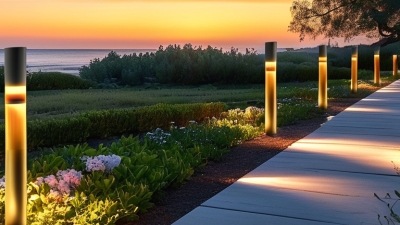
Why Are Solar Tree Lights Ideal for Outdoor Projects?
Outdoor projects need lighting that feels useful, attractive, and responsible. Solar tree lights can meet these needs without trenching cables across a garden. Their small photovoltaic panels collect daylight, while rechargeable batteries power evening illumination. This arrangement suits patios, walkways, courtyards, wedding venues, and public landscapes. It also supports cleaner installation with less disruption to soil and existing roots.
Solar-lighting specialist Dr. Priya Nair explains, “The best solar lighting respects both the night environment and the people using it.” This principle matters when selecting solar tree lights. A warm, moderate glow can guide footsteps without making a garden feel harsh. Adjustable branches can highlight leaves, seating areas, or textured bark. Good spacing also prevents bright spots and weak patches. Practical details matter. Check the panel’s winter exposure, battery capacity, waterproof rating, and mounting stability before installation. Place fixtures where nearby trees will not block afternoon sunlight. Keep drainage clear around ground-mounted units.
The result is not always perfect. Cloudy weather can shorten operating time. Decorative models may provide atmosphere rather than strong security lighting. That limitation deserves honesty. Still, thoughtful placement can make the system dependable for many outdoor projects. Experienced installers also test the lights after rain, reposition panels, and replace aging batteries when performance declines. With realistic expectations, solar tree lights can combine visual character, lower installation effort, and renewable energy in one practical design choice. The trees become part of the lighting experience, not merely a background.
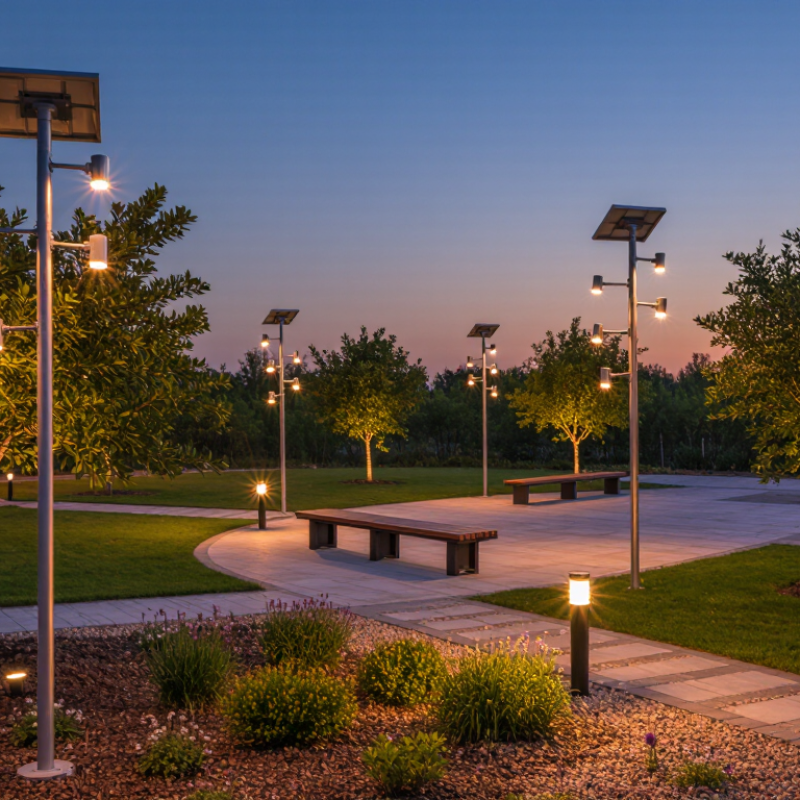
What Solar Tree Lights Are and How They Work
Solar tree lights are outdoor fixtures arranged like a small tree, with lighted branches spreading from a central stake or frame. Their solar panel collects daylight and converts it into electricity. A rechargeable battery stores that energy for use after sunset.
An internal controller manages charging and helps prevent the battery from overcharging. At dusk, a light sensor usually switches on the LEDs; some models also offer a manual setting. No outlet is needed. That part matters. Placement still does. A panel shaded by a porch roof or dense leaves may collect too little sunlight, especially on short winter days.
The branches create a layered glow around a path, planter, or patio corner. During installation, angle the panel toward open sky and keep it clear of dust and fallen leaves. Run time varies with sunlight, battery condition, and the number of LEDs, so advertised hours are not a guarantee. It is tempting to think “solar” means effortless, but the fixture needs occasional cleaning and may shine less after cloudy weather. That trade-off is easy to overlook.
Key Design Features That Support Outdoor Use
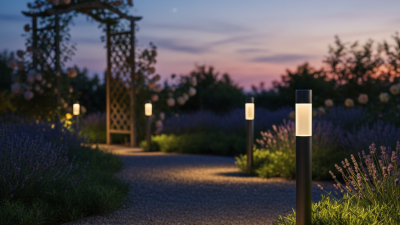
Solar tree lights are designed for a common outdoor challenge: placing several light points where no outlet is nearby. Their branched frames spread small LED lamps across a wider area than a single stake light. This can brighten a garden path, patio edge, or planting bed without adding cables across the ground. A stable base helps the frame stay upright, while ground stakes can provide extra support in softer soil. Wind still matters. Check the soil and give the structure room away from walkways.
Outdoor-ready details make a practical difference. Look for corrosion-resistant finishes, covered wiring connections, and a stated water-resistance rating; “weatherproof” alone does not explain how a fixture handles rain. A solar panel that tilts toward direct sunlight can collect more energy, though nearby trees and roof shadows may reduce charging time. Some designs let the panel angle separately from the branches, which helps in tight spaces. Small details count.
The rechargeable battery and control housing should be easy to inspect or replace when the design allows it. Still, solar lighting is not magic: cloudy weeks can shorten operating time, and decorative branches may cast uneven light. A quick test after installation can reveal dark spots before the lights become part of a finished outdoor layout.
Benefits for Energy Efficiency, Safety, and Landscape Design
Solar tree lights can lower energy use by collecting daylight and storing it for evening illumination. Their output depends on panel size, battery condition, and daily sun exposure, so performance varies. For a garden path, place the panel where it receives several hours of direct sun, rather than under a dense canopy. No trenching or outdoor power cable is needed. That can simplify small projects around patios, raised beds, or rental homes. A shaded corner may look perfect on a plan, but produce dim lights after cloudy days.
They can also make outdoor areas easier to navigate without running cords across walkways. Choose sturdy fixtures, position stakes firmly, and keep lights away from mower paths. Check the product’s weather rating before leaving it outdoors year-round. Low glare matters, too; warm, modest lighting can mark steps without shining into a neighbor’s window. For landscape design, arrange lights at varied heights among grasses or shrubs, rather than forming a rigid row. The result can feel more natural. Yet solar lights are not a cure for every dark spot: mature trees and short winter days may limit charging. A test placement for several evenings can reveal what works before the whole garden is planned.
Outdoor Projects Suited to Solar Tree Lighting
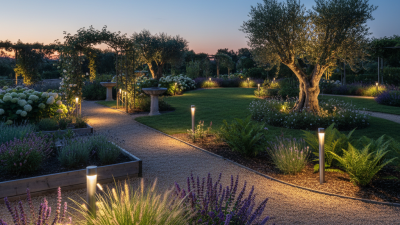
Solar tree lights suit outdoor projects that need evening visibility without long cable runs. Their raised panels collect daylight, while branching fixtures spread light across nearby ground. This makes them useful along garden paths, courtyard seating areas, and small public greens. Keep the scale modest. A path edge or planter often benefits more than a wide, uniformly lit lawn.
For patios and outdoor dining areas, clustered solar trees can mark entrances or define seating zones. Check each panel’s daily sun exposure before fixing positions. A tree beneath dense foliage may look ideal at noon but charge poorly by late afternoon. Leave space around fixtures for mowing, pruning, and seasonal growth. The layout matters.
Temporary markets, wedding venues, and community events can also use solar tree lighting where permanent wiring is impractical. It can guide visitors near walkways and gathering points, but it should not replace task lighting where people need clear detail. Choose stable bases for exposed sites, then test the arrangement after dusk. Shadows can fall in awkward places. I would adjust placements after seeing actual nighttime conditions; plans rarely reveal glare, dark patches, or how guests move. Solar output changes with weather and season, so brightness may vary from one evening to another.
Why Solar Tree Lights Suit Outdoor Projects
Typical planning illuminance targets show where solar tree lights can add gentle ambient light. Targets are illustrative, not code requirements; actual needs depend on the site and local standards.
Solar tree lights are especially suitable for garden accents, pathways, and patios where decorative, low-level lighting is useful. Do not rely on ambient solar lighting as the sole source for stairs, parking areas, or other places requiring safety or security lighting.
Factors to Consider When Choosing and Installing Solar Tree Lights
Why Are Solar Tree Lights Ideal for Outdoor Projects?
Factors to Consider When Choosing and Installing Solar Tree Lights
Solar tree lights can brighten patios, garden paths, and seating areas without a nearby outdoor outlet. Their branching shapes spread light across a wider area than many single-fixture designs. Before choosing one, check the panel’s charging needs and the light’s expected runtime. A shaded corner may look ideal, but it can leave the battery undercharged. Small details matter.
Match brightness and color temperature to the task. Warm light often feels comfortable near a dining table, while a path needs enough visibility to reveal edges and steps. Check the stated weather resistance, battery replacement options, and whether the panel can be positioned separately. Installation also needs stable ground or a secure mounting surface. A loose base can wobble in soft soil, especially after rain. It is easy to overlook.
Tips: Place the panel where it receives several hours of direct sun, and keep leaves from covering it. Test the light after dusk before fixing the position permanently. If nearby trees cast moving shadows, adjust the angle and observe charging over a few days. Solar performance varies with season and weather, so avoid assuming one sunny afternoon proves the setup will work year-round.