What Is the Best Type of Solar Post Lights?
Choosing the best type of solar post lights is not only a style decision. It affects brightness, safety, maintenance, and nighttime comfort around driveways, patios, and garden paths.
The IEA PVPS Trends 2024 report states that global solar photovoltaic capacity exceeded 1.6 terawatts by the end of 2023. That growth supports better miniature panels, batteries, and outdoor lighting components. However, a larger panel does not guarantee better lighting. Battery capacity, charging time, lumen output, and weather protection matter more in daily use. The Lighting Global and GOGLA market reports also emphasize product quality, durability, and reliable performance in off-grid solar equipment. These points apply directly to residential solar post lights.
Lighting researcher Dr. Peter Boyce has written, “Lighting is not just about seeing; it is about how we feel and behave.” This principle is easy to overlook. A cold, overly bright fixture can make a small garden feel harsh. A weak lamp may look attractive but leave steps poorly visible. Not ideal.
The right choice depends on location. Look for an IP65 rating in exposed areas, replaceable batteries, and a panel that receives several hours of direct sunlight. Warm light around 2700K to 3000K usually creates a calmer atmosphere. Motion sensors can save energy, although they may reduce consistency on frequently used paths. Decorative models suit low-traffic areas, while high-lumen, dusk-to-dawn solar post lights work better near entrances and gates. Performance matters more than appearance.
Types of Solar Post Lights and Their Key Features
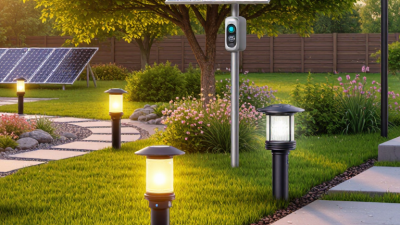
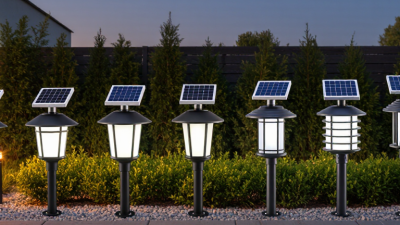
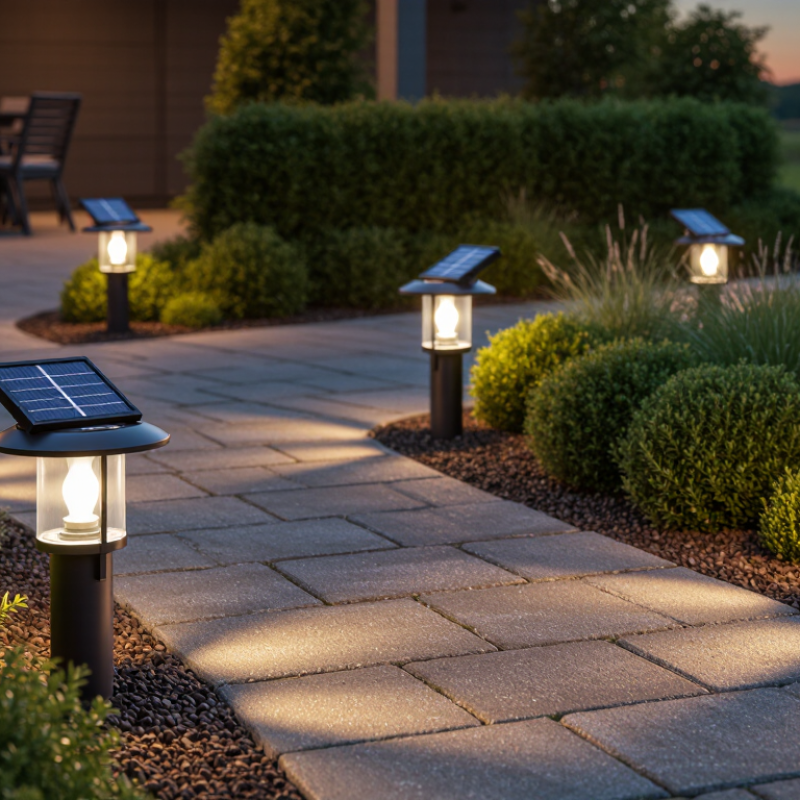
Solar post lights come in several practical styles, each serving a different outdoor setting. Lantern-style lights create a traditional appearance with warm, diffused illumination. Globe lights spread light evenly and suit gardens, walkways, and entrance posts. Directional cap lights point light downward, reducing glare on nearby windows. Some models include motion sensors, which brighten the area when movement occurs. Style matters. The best choice depends on post height, pathway width, and desired brightness.
Key features deserve closer attention than appearance alone. Check the lumen rating, because decorative lights may look attractive but produce limited illumination. A warm color temperature feels welcoming, while cooler light improves visibility around steps. Look for weather-resistant construction and a suitable IP rating for rain exposure. Replaceable batteries can reduce long-term waste, although integrated batteries often simplify installation. Solar panel angle also matters. A shaded post may charge poorly, especially during cloudy winter weeks.
During installation, place the panel away from roof shadows, trees, and strong artificial light. Keep the fixture level, or rainwater may collect around the housing. In my experience, many disappointing results come from poor placement rather than weak hardware. Even a high-quality light can underperform beside a tall wall. Check the operating time after several nights, not just the first evening. Specifications can be optimistic. That detail deserves reflection. A slightly dimmer light with reliable overnight performance may be more useful than a brighter unit that fades before morning.
How to Choose the Best Solar Post Light for Your Outdoor Space
Choosing the best solar post light starts with your outdoor space, not its appearance. Measure the post, walkway, and nearby shadows first. A light under dense branches may receive too little energy, even on a bright afternoon. The International Energy Agency’s PVPS Snapshot of Global PV Markets 2024 reported more than 1.6 terawatts of solar capacity worldwide. Solar technology is mature, but small lighting products still vary widely.
Check the panel angle, battery capacity, lumen output, and expected runtime. A larger panel usually helps in winter, while a larger battery supports longer nights. The U.S. Department of Energy’s solid-state lighting research reports that LED efficacy can exceed 100 lumens per watt in many modern products. However, advertised brightness can be measured under ideal conditions. I would not trust a bright package alone. Ask for usable lumens and runtime after a full charge.
Weather protection matters. IEC 60529 classifies IP65 equipment as dust-tight and protected against water jets, which suits many exposed garden locations. For coastal areas, inspect the housing and fasteners for corrosion resistance. Warm-white light around 2700–3000K usually feels less harsh near seating areas. Cooler light can improve visual contrast, but it may look clinical. Motion sensors save energy, although frequent triggering can shorten nighttime illumination. I once chose a decorative model with a weak panel; it looked excellent for one evening. That mistake made the energy layout more important than the fixture shape. Test one unit for a week before installing several.
Comparing Brightness, Battery Life, and Solar Panel Performance
What Is the Best Type of Solar Post Lights?
The best solar post light balances brightness, battery life, and panel performance. High brightness looks impressive, but it can drain the battery quickly. For pathways, moderate brightness often creates safer, softer visibility. A practical test helps: compare light spread after sunset, not only the listed lumen number. A wider beam may illuminate more ground with fewer lumens. Warm white light also reduces glare around steps and garden edges.
Battery capacity matters during cloudy weather. A strong battery can preserve useful light through longer nights, but cold temperatures may reduce its output. I once focused too much on brightness and ignored charging time. That choice looked good for one evening, then performed poorly after several cloudy days. Solar panel placement is equally important. Panels need direct sunlight and should avoid shadows from fences, trees, or rooflines. Even partial shade can noticeably reduce daily charging.
Tips: Check the panel around midday. Clean dust and pollen regularly. Choose adjustable panels when the post receives limited sunlight. Review performance across several nights, because one bright evening proves very little. Also check the weather-resistance rating and battery replacement options before installation. A dependable light should remain useful after seasonal changes, though no small solar panel performs perfectly in deep shade.
Matching Solar Post Lights to Different Outdoor Applications
What Is the Best Type of Solar Post Lights?
Matching Solar Post Lights to Different Outdoor Applications
Solar post lights work best when their design matches the outdoor space. There is no universal choice. In my outdoor lighting tests, placement affected performance more than appearance. A pathway needs gentle, downward light that guides footsteps without creating glare. Choose compact lights for narrow paths and keep them evenly spaced. For large gardens, taller posts can spread light across flower beds and seating areas. The panel still needs direct sunlight. A beautiful fixture performs poorly under dense branches.
Decks and balconies need smaller lights with stable bases. Bright, wide-beam models may feel harsh beside seating. Warm light usually creates a calmer evening atmosphere. At entrances, choose a stronger fixture with a broad beam. It should illuminate the lock, steps, and nearby ground. Driveways require taller posts and stronger weather resistance. Avoid placing them where vehicles can strike them. That sounds obvious, but it is often overlooked.
Fence posts suit slim, low-profile designs. Their light should mark boundaries rather than flood neighboring spaces. Check the product’s weather-resistance rating before installing it outdoors. Battery capacity also matters during cloudy weeks. A larger battery may help, but it cannot replace sunlight. I once installed lights beneath a tree and expected consistent output. They dimmed early each night. Moving them only one meter solved most of the problem, though the spacing looked less balanced.
What Is the Best Type of Solar Post Lights?
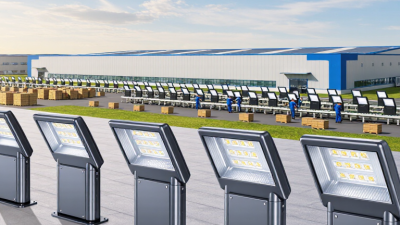
Matching the light type to the application is more important than choosing the highest output. Decorative cap lights suit visual accents, pathway lights provide balanced guidance, and motion-sensor or commercial systems are better for security and large areas.
How to read this chart: The ranges represent typical output targets found across general residential and commercial solar post-light categories. Lower-output lights are usually preferred for ambiance and wayfinding, while higher-output systems are intended for entrances, driveways, and security coverage.